
How Staging Your Home Boosts Sale Price and Cuts Time on Market
Staging a home for sale is an essential strategy that can significantly impact how quickly a property sells and at what price. In competitive markets like Los Angeles, the difference between a staged home and one that isn’t can be substantial, not just in days on market, but also in the final sale price and return on investment (ROI). Here’s why staging matters and how it can pay off, backed by real examples.
Why Staging Matters
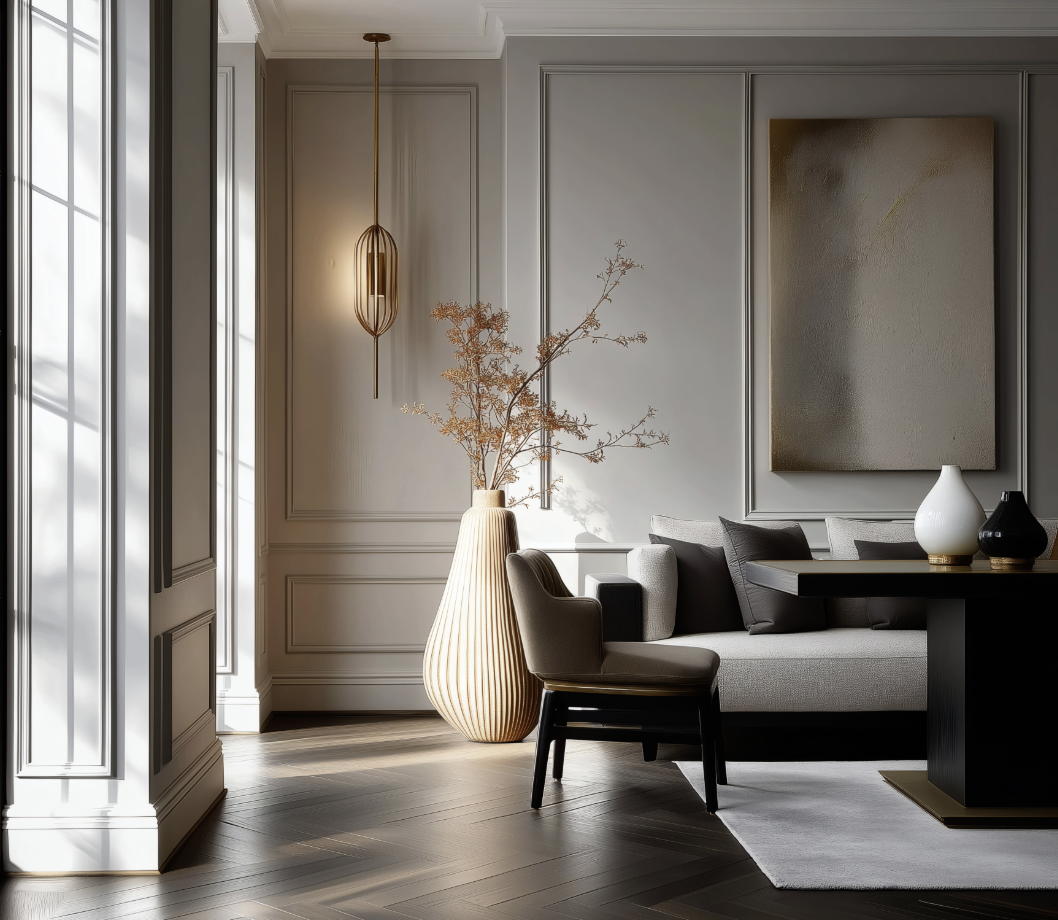
Home staging involves arranging furniture, décor, and sometimes minor repairs to showcase a property’s best features and help buyers envision themselves living in the space. It creates an emotional connection that photos alone often can’t achieve, making the home stand out in listings and showings.
Impact on Pricing and ROI
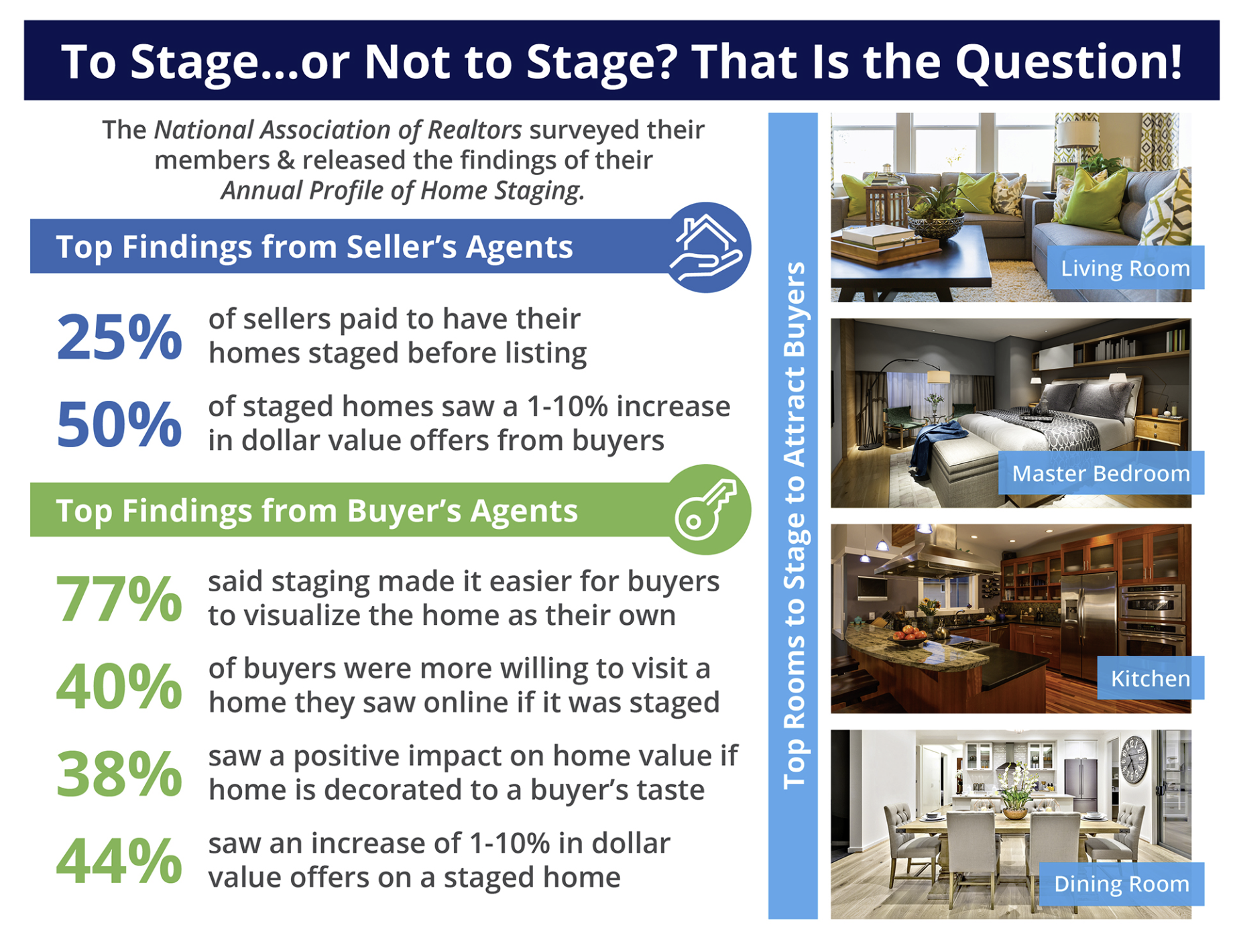
According to the National Association of Realtors, staged homes typically sell for 6-10% more than unstaged homes on average. In Los Angeles, where average home prices hover around $900,000 to $1.2 million depending on the neighborhood, this can translate into $54,000 to $120,000 more in sale price, a sizeable gain from an investment that often costs between $3,000 and $7,000 for professional staging.
Faster Sales and Fewer Days on Market (DOM)
Data shows staged homes also spend less time on the market. On average, staged properties sell in 11-20 days compared to 30-60 days for unstaged homes in LA. Faster sales reduce carrying costs such as mortgage payments, utilities, and property taxes, adding to overall savings and ROI.
Real Examples
· A West Hollywood condominium staged before listing sold for $1.15 million after just 14 days on market. A similar non-staged unit in the same building stayed on market for 45 days and sold for $1.05 million, a $100,000 difference with triple the selling time.
· In Culver City, a staged single-family home sold 20 days faster and fetched 8% above asking price, compared to a nearby non-staged home that lingered for 50 days and sold below the listing price.
Additional Benefits
· Staging minimizes perceived flaws and highlights space functionality
· Professional photos of staged homes attract more online views and tour requests
· Helps target buyer demographics effectively through style and design choices
Conclusion
Investing in staging is one of the smartest moves sellers can make to maximize return and minimize time on market. By creating an inviting, move-in ready appearance, staged homes attract more buyers, generate higher offers, and close faster, all critical advantages in LA’s competitive real estate market.