
Rents Are Quietly Dropping on the Westside: How Smart LA Owners and Tenants Can Cash In Right Now



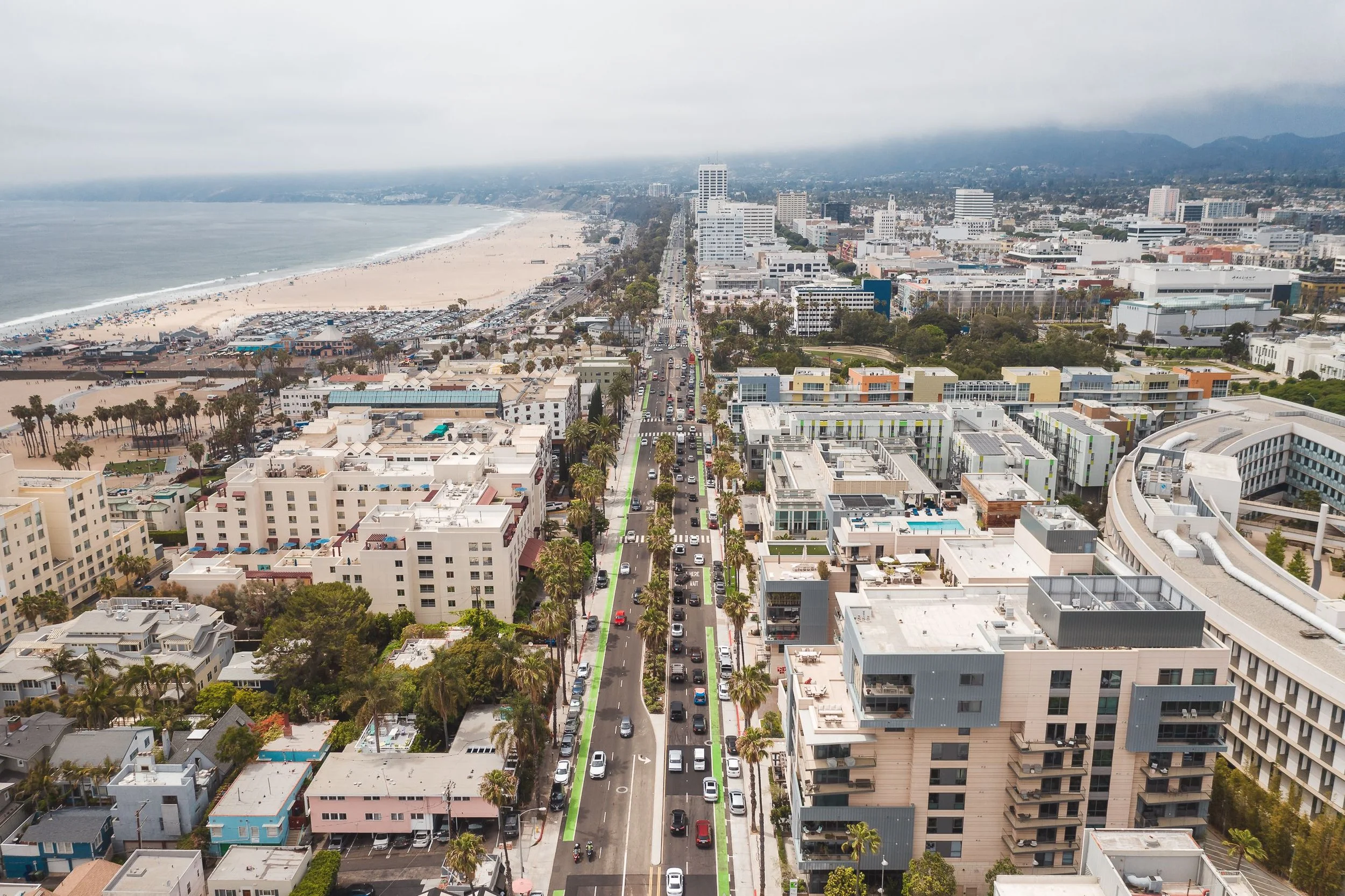
Rents on the Westside are quietly slipping and if you’re a landlord or a tenant in LA, that change isn’t abstract; it’s hitting your bottom line and your leverage. Let’s talk about what’s really going on, who should be worried, and who should be smiling behind their lease agreements.
The Hook: Santa Monica Just Got Cheaper (Relatively Speaking)
Santa Monica, the poster child for “coastal premium,” just posted one of the sharpest rent drops in the entire LA metro. As of May 2026, median asking rent is down to about $2,302 , a month‑over‑month drop of 1% and a year‑over‑year drop of 8.8%. Vacancy has climbed to roughly 5.3%, up more than a full percentage point from last year, which is the rental‑market equivalent of your favorite restaurant suddenly having open tables on a Saturday night.
For context: Santa Monica rents are still about 5–6% above the broader LA metro median, but that premium isn’t nearly as dramatic as it used to be. In other words, the coastal “flex” is looking a little less invincible, and tenants are starting to notice.
Why Rents Are Dropping: A Quick Reality Check
So what changed? Short answer: demand eased, supply loosened, and the post‑pandemic rental sugar high finally wore off.
A few key forces:
Post‑spike normalization: After rents surged double‑digits in 2021 and 2022, Santa Monica has logged three straight years of rent declines, bringing prices closer to pre‑pandemic levels.
Vacancy creep: Apartment vacancy jumped from about 4.5% to over 5%, and the broader LA multifamily market hit around 5.6% vacancy in early 2026.
Concessions everywhere: Roughly 40% of national listings are now offering freebies — think a month of free rent or waived fees — and LA is very much part of that trend.
Translation: if your unit isn’t special, priced right, or well‑marketed… your tenant has options and your listing has competition.
The Luxury Lease Plot Twist
Now for the twist: the luxury segment isn’t playing by the same rules.
Data from large, 50+ unit properties shows:
One‑bedroom luxury rentals averaging around $3,541 in Santa Monica, down only about 0.4% year‑over‑year.
Two‑bedroom luxury units actually up about 1.4%, averaging roughly $4,432.
So while the overall market is softening, the top tier is essentially saying, “We’ll be over here, sipping our green juice by the ocean.” That means high‑quality, amenity‑rich buildings are still commanding premium pricing, while older, unrenovated, or poorly located stock is feeling the squeeze.
If you’re an owner in the luxury bracket, you’re not immune, but you’re also not in the same boat as a 1970s walk‑up that hasn’t seen a renovation since flip phones.
What This Means for Westside Owners
If you own rental property on the Westside, this isn’t the time to panic. It’s the time to get strategic.
Here’s how this shift affects you:
Pricing has to be precise, not wishful. Listing at last year’s rent plus “a little extra” is how you buy yourself weeks (or months) of vacancy. With more inventory and higher vacancy, tenants can scroll right past unrealistic numbers.
Concessions are now part of the playbook. A free month, parking credit, or reduced deposit might be what separates “sits there” from “leases quickly” especially for mid‑range units competing with newer product.
Condition and presentation matter more. In a cooler environment, the gap between “turnkey and Instagram‑ready” and “tired but functional” shows up directly in days on market and achieved rent.
For small investors and mom‑and‑pop landlords, the takeaway is simple: you can’t just lean on “It’s Santa Monica” or “It’s the Westside” anymore. You need to manage your building like a business, not like a trophy.
What This Means for Tenants (Hint: You Have Leverage)
If you’re renting in Santa Monica or nearby Westside neighborhoods, this is the first time in a while that the wind is actually at your back.
Here’s where your power shows up:
Negotiation is on the table. With vacancy north of 5% and widespread concessions, asking for a rent reduction, free month, or minor upgrades isn’t rude — it’s realistic.
More choice, less pressure. Rising vacancy means you’re less likely to feel forced into the first unit you see; you can shop around for better value, better buildings, or better management.
Premium locations without peak‑premium pricing. As Santa Monica’s rent premium over the rest of the metro narrows, you’re closer to getting coastal lifestyle without quite as much sticker shock.
If you’re renewing, don’t just sign and send. Ask: “What are current comps?” “Is there a concession available?” “Can we meet in the middle?” In this market, a polite but informed ask can easily translate into real monthly savings.
Investor Strategy: Where the Opportunity Really Is
For Westside investors, falling rents aren’t automatically bad news. They’re a sign that the easy money phase is over and the smart money phase is beginning.
Here’s how to think about it:
Focus on quality over pure yield. Buildings with strong locations, upgraded units, and professional management are outperforming older stock on rent growth and retention, even in a softening environment.
Underwrite with realistic rent assumptions. If your pro forma still assumes 2021–2022 rent growth, it’s time to revise. Conservative rent growth paired with realistic vacancy will keep you out of trouble.
Value long‑term demand. The Westside still benefits from limited land, lifestyle appeal, and enduring brand value. Short‑term rent dips don’t change the long‑term story, but they do change your five‑year cash‑flow expectations.
The investors who win in this phase are the ones who buy thoughtfully, improve intelligently, and price strategically, not the ones who cling to yesterday’s rent rolls like they’re written in stone.
So, Should You Be Worried?
If you’re a Westside owner:
Be concerned enough to get serious about pricing, presentation, and concessions.
Don’t be so worried that you rush into fire sales or abandon a fundamentally strong market.
If you’re a tenant:
Enjoy the fact that your leverage just quietly improved.
Use it to secure better terms, not to stretch for a place that still doesn’t fit your budget.
The headline version: rents are down, vacancy is up, and the Westside has officially entered a grown‑up rental market where strategy beats assumptions.
If you’re an owner or tenant on the Westside and want a tailored breakdown with comps, concessions, and negotiation angles for your building or your lease, I’m happy to take a look and walk you through your best moves right now.