
The New Rules of LA Luxury: When ‘Nice’ Isn’t Enough
In LA’s high‑end market, “nice house” used to be a compliment. Now it’s a red flag. Luxury buyers in LA’s higher end pockets aren’t shopping for nice; they’re shopping for right. Right price, right presentation, right story. If a property misses on any of those three, it lingers, then quietly cuts, while better‑positioned homes still move.
Why some luxury homes are holding firm
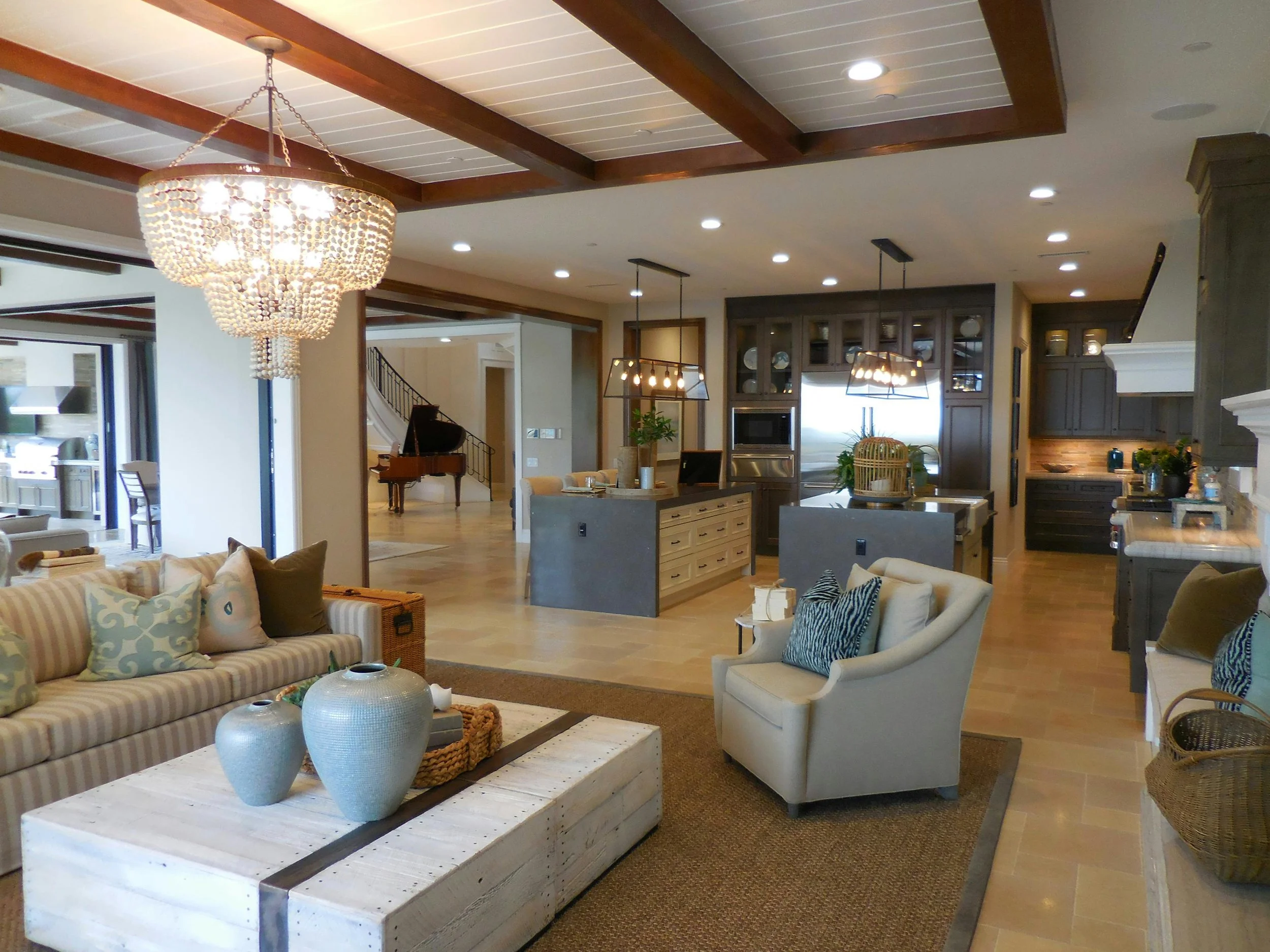
The properties that still command strong prices tend to nail three things: they’re priced in reality, merchandised like a brand, and tell a clear story about how to live there.
They’re priced for today, not 2021.
Well‑advised sellers are looking at the last 60–90 days of true, closed comps, not peak‑cycle outliers and positioning just at or slightly above that band. They leave enough room for negotiation without drifting into fantasy.They’re presented like a product launch.
Think: dialed‑in landscaping, a cohesive design language from curb to kitchen, and photography that looks editorial, not just “MLS‑acceptable.” Every touchpoint: photos, video, copy, even the way the home is shown, feels intentional.They tell a specific lifestyle story.
Instead of “5 bed, 6 bath in great location,” the narrative is crystal clear: “A hidden, walkable Beverly Hills retreat with indoor‑outdoor entertaining that functions like a private boutique hotel.” The buyer can instantly see where the morning coffee, Friday night dinner party, and Sunday pool day all happen.
When those three align, buyers don’t feel like they’re overpaying; they feel like they’re securing something rare.
Why other homes are quietly cutting prices
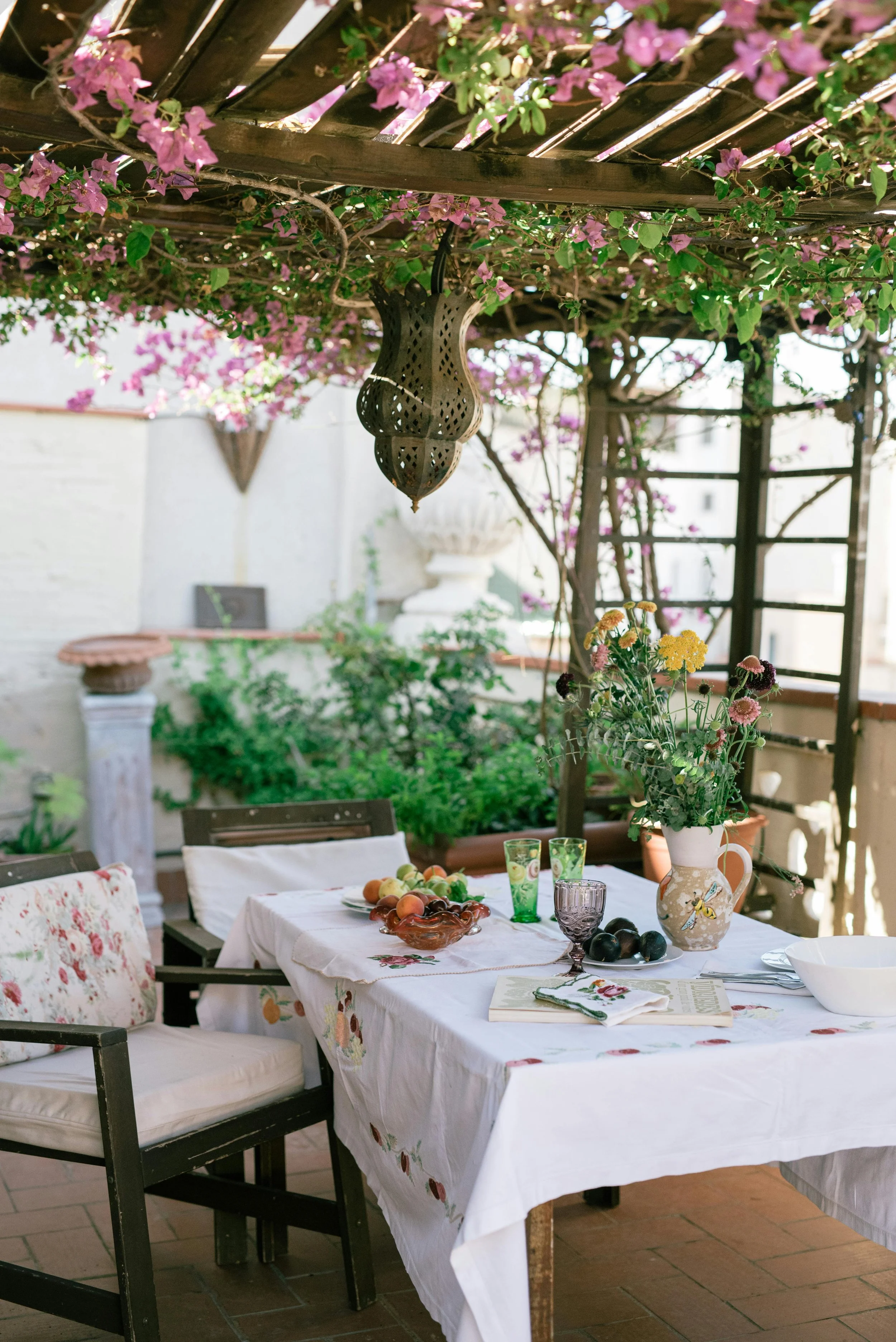
On the flip side, there’s a growing category of luxury listings that look fine on paper but stall in practice. After a long stretch on the market, the pattern is familiar: a face‑saving price cut, then another, and sometimes a quiet cancel‑and‑relist.
Common threads:
They were priced “aspirationally.”
The ask is set to a neighbor’s pandemic‑era sale, not the current data. The strategy is essentially, “Let’s just see if someone bites.” Today’s buyers are too informed and too rate‑sensitive for that.They feel generic or “builder basic.”
The house technically checks the boxes: newer construction, big kitchen, high ceilings, but the design feels copy‑pasted. Nothing is offensive, but nothing is memorable. In a market with real options, generic equals forgettable, and forgettable equals stale.They never overcome the first impression.
Maybe the photography is flat, the lighting is off, or the staging is thin. Once a listing becomes “the one that’s been sitting,” each additional day on market chips away at perceived value. Price reductions then read as damage control, not opportunity.
The result: even if the intrinsic property is solid, poor strategy forces the seller to chase the market down instead of meeting it head‑on.
What high‑end buyers are quietly rejecting
Today’s luxury buyers are picky, and they should be. With higher monthly payments and more transparency, they’re allergic to anything that smells like old thinking.
Here’s what they’re pushing back on:
1. Dated finishes dressed up as “character”
Buyers still love charm, but they do not love:
Ornate, heavy cabinetry and dark, glossy stone sold as “timeless”
Tuscan‑by‑way‑of‑2008 arches and faux finishes
Primary baths that feel like a hotel from two presidents ago
They’ll gladly pay for warmth and authenticity: original beams, thoughtfully restored details, real materials, but not for the deferred design work a seller decided to skip.
Update rule: if it looks like it belonged in a 2010 magazine, it reads as a project, not a premium.
2. Vague pricing and “make me move” attitudes
The modern luxury buyer has:
Alerts set
A rough handle on price‑per‑square‑foot
Instant access to public records and past sales
When a list price is obviously disconnected from the last relevant sale, the message isn’t “this home is special”; it’s “this seller is unrealistic.” That kills urgency.
New expectation: clear alignment between story, specs, and price. If the home is reaching above the comps, the justification needs to be obvious in person, not buried in small print.
3. Aspirational list numbers with no supporting comps
An aspirational price can work in a rising market when buyers fear missing out. In a more balanced environment, it sends a different signal: “We’re testing you.”
Buyers now:
Cross‑check comparable sales on their phone in the driveway
Compare you to not just your street, but your whole micro‑market
Walk away from anything that feels like it requires them to suspend disbelief
The result is brutal but simple: if the features, quality, and location don’t clearly leapfrog the last top comp, the premium feels unjustified and the listing lingers.
The new playbook for LA luxury sellers
To thrive under these new rules, “nice” needs to evolve into “dialed‑in.” That means:
Price like a pro.
Build your number off the most recent, truly comparable sales, adjust for what’s happening this quarter, not last year, and leave room for the market to reward you, not punish you.Design for today’s eye.
Edit ruthlessly. Neutral, high‑quality finishes, thoughtful lighting, and a few strong design moments beat an everything‑and‑the‑kitchen‑sink approach. If a buyer mentally tallies renovations as they tour, you’re losing ground.Market like a brand, not a brochure.
Invest in staging that matches the price point, storytelling‑driven copy, and visual assets (photo/video) that could live in a magazine. Luxury buyers are buying a life, not a floor plan.Craft a specific story.
Is this the ultimate entertainer’s house? A lock‑and‑leave pied‑à‑terre? A private family compound? Pick the lane and make every element, from furniture layout to photography, support that narrative.
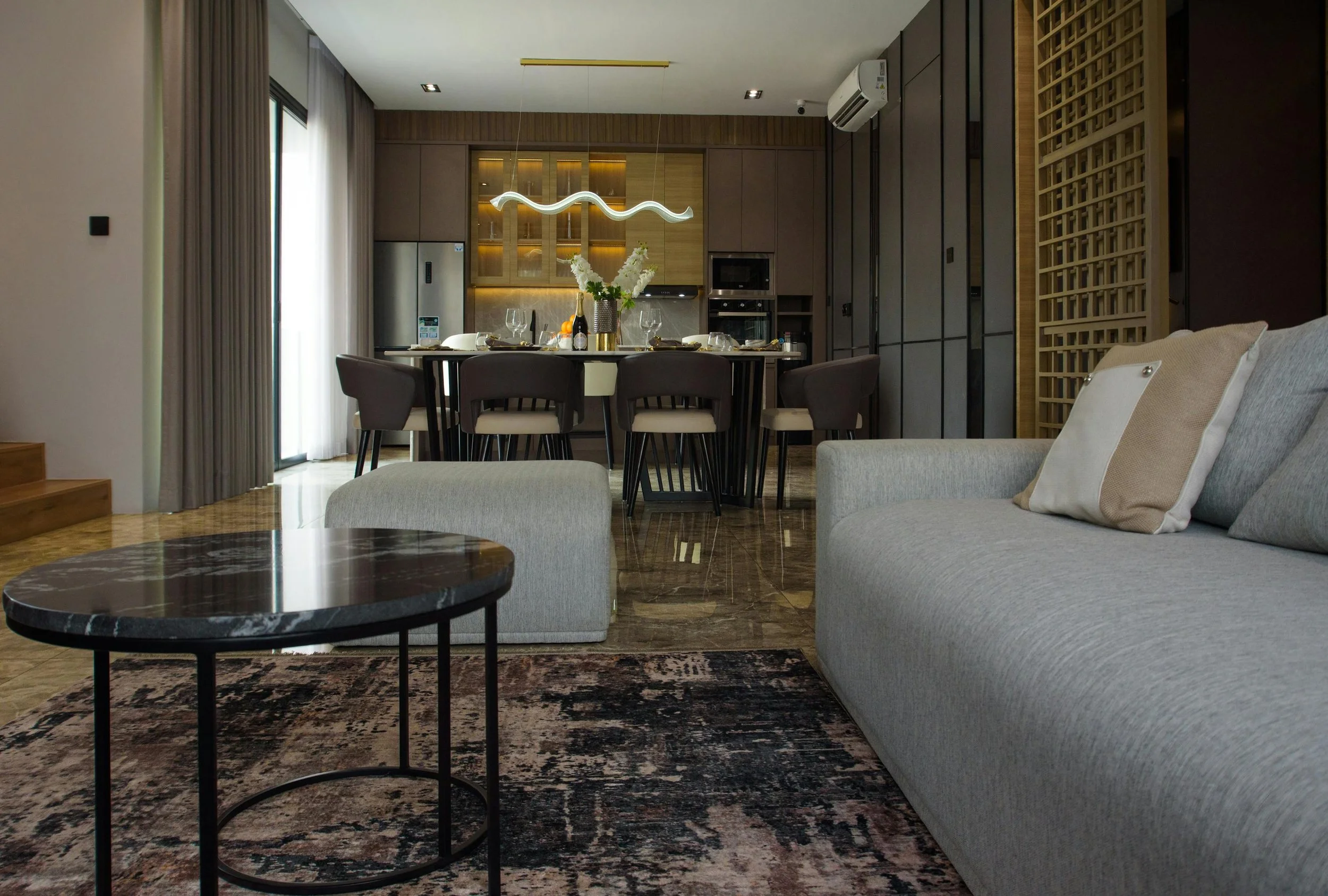
In this version of the LA luxury market, the bar is higher but the opportunity is bigger for homes that get it right. “Nice” is the default. The properties that still command strong prices are the ones that feel inevitable to the right buyer: the price makes sense, the design feels current, and the story is so clear it’s hard to imagine living anywhere else.