
Before and After: How Strategic Cosmetic Updates Can Transform a Condo’s Resale Value
A condo does not need a full “demo day” makeover to make buyers fall in love. In fact, before selling, the most valuable upgrades are often the least dramatic: fresh paint, better lighting, polished hardware, streamlined furnishings, and a few well-chosen details that make a buyer think, “Wait… I could live here.”
That is the goal.
For condo owners in West Hollywood, Santa Monica, and across the Westside, presentation matters. Buyers are not only comparing square footage, HOA dues, parking, and amenities. They are comparing feelings. Does this place look easy? Bright? Stylish? Move-in ready? Or does it look like it comes with a weekend trip to the hardware store, three contractor quotes, and a growing sense of dread?
A few strategic cosmetic updates can move a listing from “good bones” to “I need to see this in person.”
The “Before”: When Buyers Start Doing Math
Buyers are remarkably good at spotting a project and spectacularly creative when estimating what that project will cost.
A slightly dated kitchen faucet becomes “we’ll probably have to redo the kitchen.” A tired light fixture becomes “the electrical might be old.” A wall painted a very specific shade of eggplant becomes “this whole condo needs work.”
Is that always rational? Not exactly. But it is real.
Small visual cues can send a big message. When buyers see scuffed walls, older carpet, mismatched fixtures, heavy drapes, or cluttered rooms, they begin mentally subtracting from the price. They are not just calculating the cost of updates; they are calculating the inconvenience of living through them.
And inconvenience has a funny way of showing up in an offer price.
Common “before” issues include:
Walls that have seen a few too many move-ins, pets, and Zoom calls
Lighting fixtures that are less “vintage charm” and more “original to the building”
Cabinet hardware that has been there since the Clinton administration
Bathrooms with dim vanity lights and mirrors that do no one any favors
Dark window treatments that turn a sunny condo into a bear’s den
Oversized furniture that makes a perfectly good living room feel like a furniture showroom
Cluttered counters and overstuffed closets that suggest storage is a competitive sport
A kitchen that is functional, but has not received the “move-in ready” memo
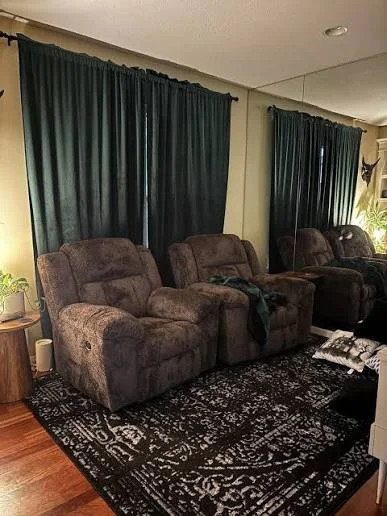
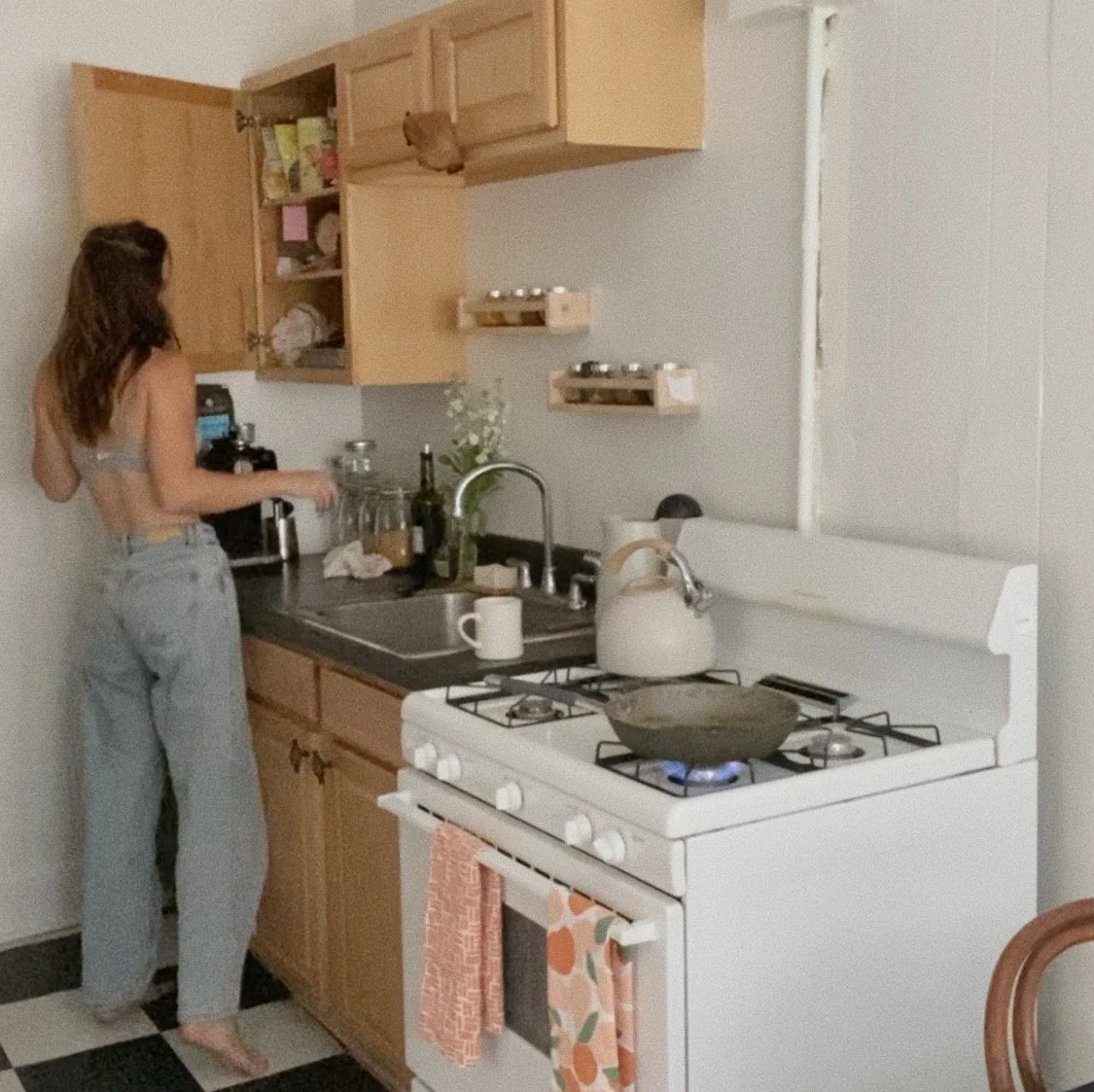

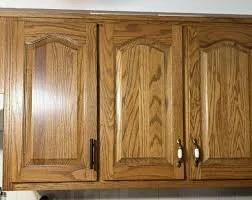
None of these issues necessarily means the condo is not worth buying. But together, they can create one dangerous buyer thought: “What else is going to need attention?”
The “After”: A Condo Buyers Can Picture Themselves In
The most effective pre-sale transformation does not need to look like a luxury hotel or a social-media trend that will feel dated by next Tuesday. It should look clean, current, cohesive, and effortless.
The best cosmetic updates help buyers focus on what truly matters: the location, floor plan, views, natural light, parking, outdoor space, building amenities, and the life they can imagine living there.
When a condo is properly prepared, buyers stop saying, “We would need to change…” and start saying, “Where would we put the sofa?”
That shift is everything.
A strong “after” should feel:
Bright without feeling sterile
Updated without looking like it was designed by a trend forecast
Spacious without requiring actual additional square footage
Neutral enough for broad appeal, but warm enough to have personality
Move-in ready enough that buyers can imagine unpacking rather than renovating



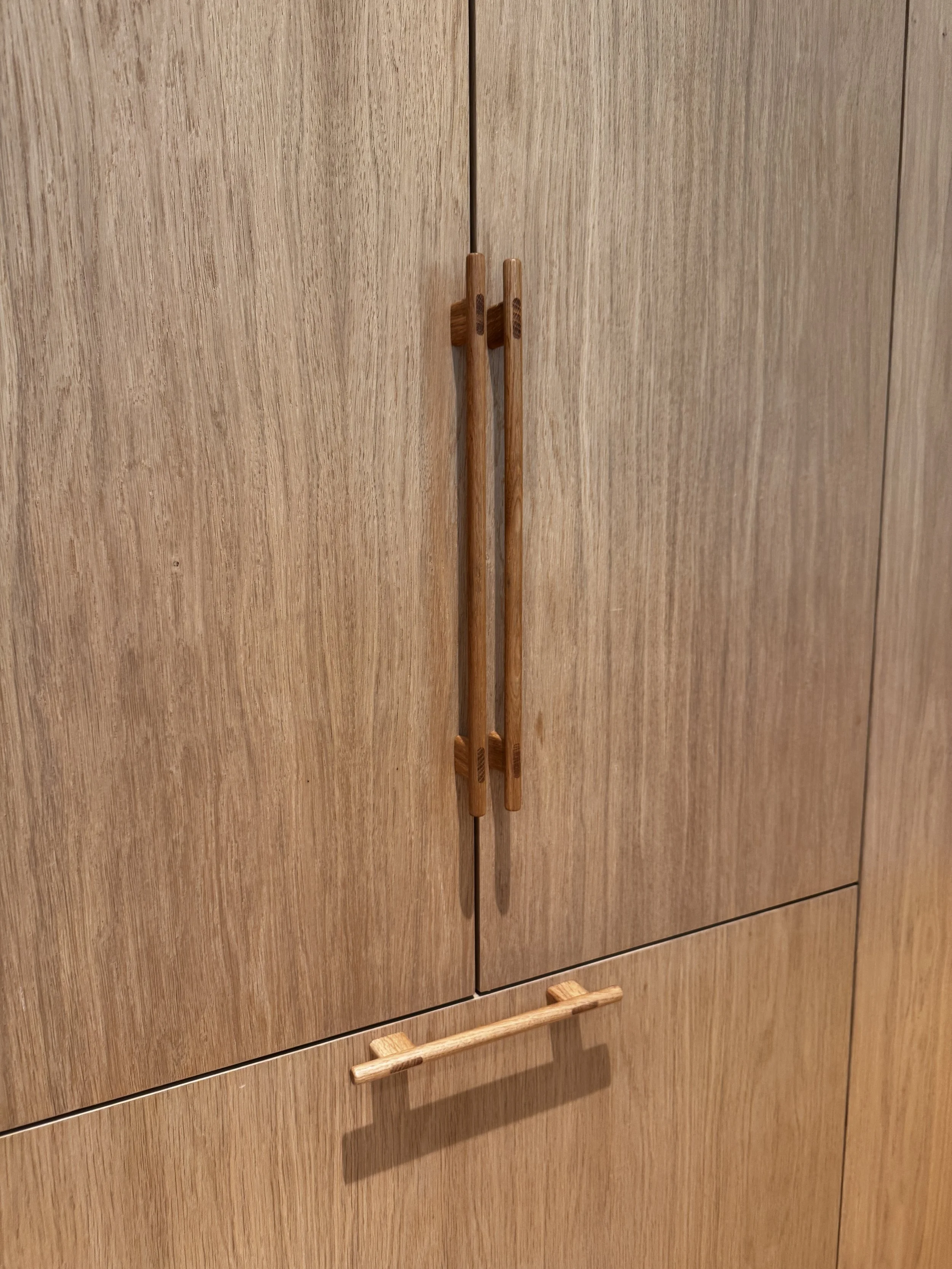
The Little Upgrades That Do the Heavy Lifting
Not every pre-sale update deserves your money. The best investments tend to be the ones buyers notice immediately, especially online and during their first walk-through.
Paint: The Easiest Plot Twist
If your condo has walls that are bold, tired, scuffed, or simply very personal, paint can be the fastest route to a better first impression.
Fresh, well-chosen paint makes a home look cleaner, brighter, and more cared for. It also gives listing photos the calm, cohesive background they need to do their job.
For resale, the sweet spot is typically a warm, sophisticated neutral, not a stark white box and not a color that requires a buyer to be in a very specific mood. Think soft whites, light greiges, gentle taupes, or muted warm beige tones.
The goal is not to make the condo forgettable. The goal is to make buyers notice the right things: the sunlight, the architecture, the floors, the view, the terrace, or the extra-large living room that suddenly looks much larger without that cobalt-blue accent wall.
Lighting: Because Nobody Wants to Buy a Cave
Lighting is the quiet hero of condo resale. It can make a modest space feel airy, make finishes look more expensive, and make every room more appealing in listing photos.
On the other hand, one dated flush mount can make a room feel as if it is waiting for a landlord to stop by with a replacement bulb.
Simple lighting upgrades can include:
Replacing an outdated dining-room fixture
Updating an entry light or ceiling fan
Swapping tired bathroom vanity lights for something cleaner and more current
Using consistent, warm-toned bulbs throughout the home
Removing heavy drapery or opening shades to maximize natural light
Making sure every bulb works before photography and showings, yes, every bulb
This is not the moment for “mood lighting.” Buyers should be able to see the condo, the closets, the finishes, and the future they are about to spend a considerable amount of money on.
Kitchens: A Refresh Can Beat a Remodel
A dated kitchen does not always require a full renovation before listing. In many cases, the layout works, the cabinetry is solid, and the real issue is that everything feels a little too familiar.
Before replacing cabinets, countertops, and appliances, consider whether the kitchen could benefit from a targeted refresh:
New cabinet pulls or knobs
A modern faucet
Updated pendants or ceiling lighting
A fresh coat of paint on cabinets, if appropriate
Deep cleaning of grout, tile, and appliance surfaces
Removing countertop clutter
Editing the refrigerator exterior: yes, magnets, take a vacation
A small amount of styling for photos, such as fresh fruit, a cutting board, or a simple plant
The goal is cohesion. A modest kitchen that looks clean, bright, and intentional is often more appealing than a half-updated kitchen that makes buyers wonder which project is next.
Bathrooms: Tiny Room, Big Opinions
Buyers may forgive a small bathroom. They are far less likely to forgive one that feels tired, dim, or neglected.
Fortunately, bathrooms respond beautifully to relatively modest updates. A new mirror, improved vanity light, fresh faucet, clean grout, updated hardware, crisp towels, and a little styling can create a surprisingly strong transformation.
It is also important to address the details. Worn caulk, chipped paint, loose towel bars, stained grout, and slow-draining fixtures may be minor repairs, but they make buyers feel like they are inheriting a to-do list.
A refreshed bathroom does not have to be dramatic. It just needs to say, “You can move in before you start remodeling your life.”
Staging: The Secret Weapon
Staging is not about pretending a condo is larger than it is. It is about helping buyers understand how well the space can live.
A staged condo gives buyers answers before they ask questions:
Yes, a dining table fits here.
Yes, this room can work as an office.
Yes, the bedroom accommodates more than a mattress and a hope.
Yes, this balcony is large enough for morning coffee, evening wine, or both.
It is especially useful for vacant condos, compact floor plans, awkward spaces, and listings where the seller’s existing furnishings are oversized, highly personal, or simply not helping the home tell its best story.
Even occupied homes can benefit from partial staging. Sometimes the biggest improvement is not adding more; it is removing more. Editing furniture, clearing surfaces, simplifying art, upgrading bedding, and bringing in fresh towels can make a home feel more spacious and more aspirational almost immediately.

A Tale of Two Condos
Imagine two similar two-bedroom condos in the same building.
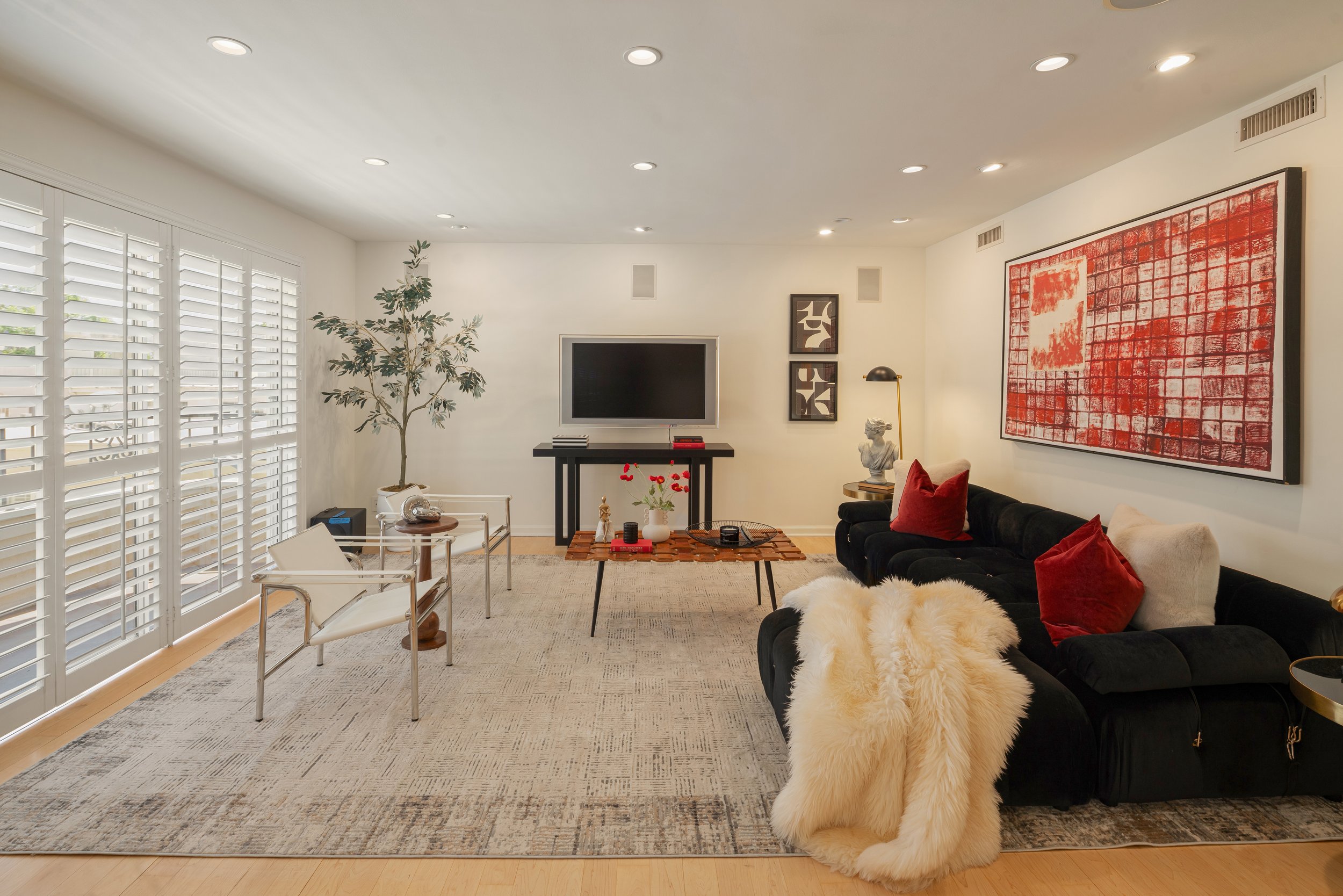
Condo A is clean but original. It has beige walls with visible wear, dark curtains, older cabinet hardware, a dated dining light, busy countertops, and furniture that makes the living room feel like it needs a traffic pattern.
Condo B receives a strategic pre-sale refresh:
Fresh, neutral paint throughout
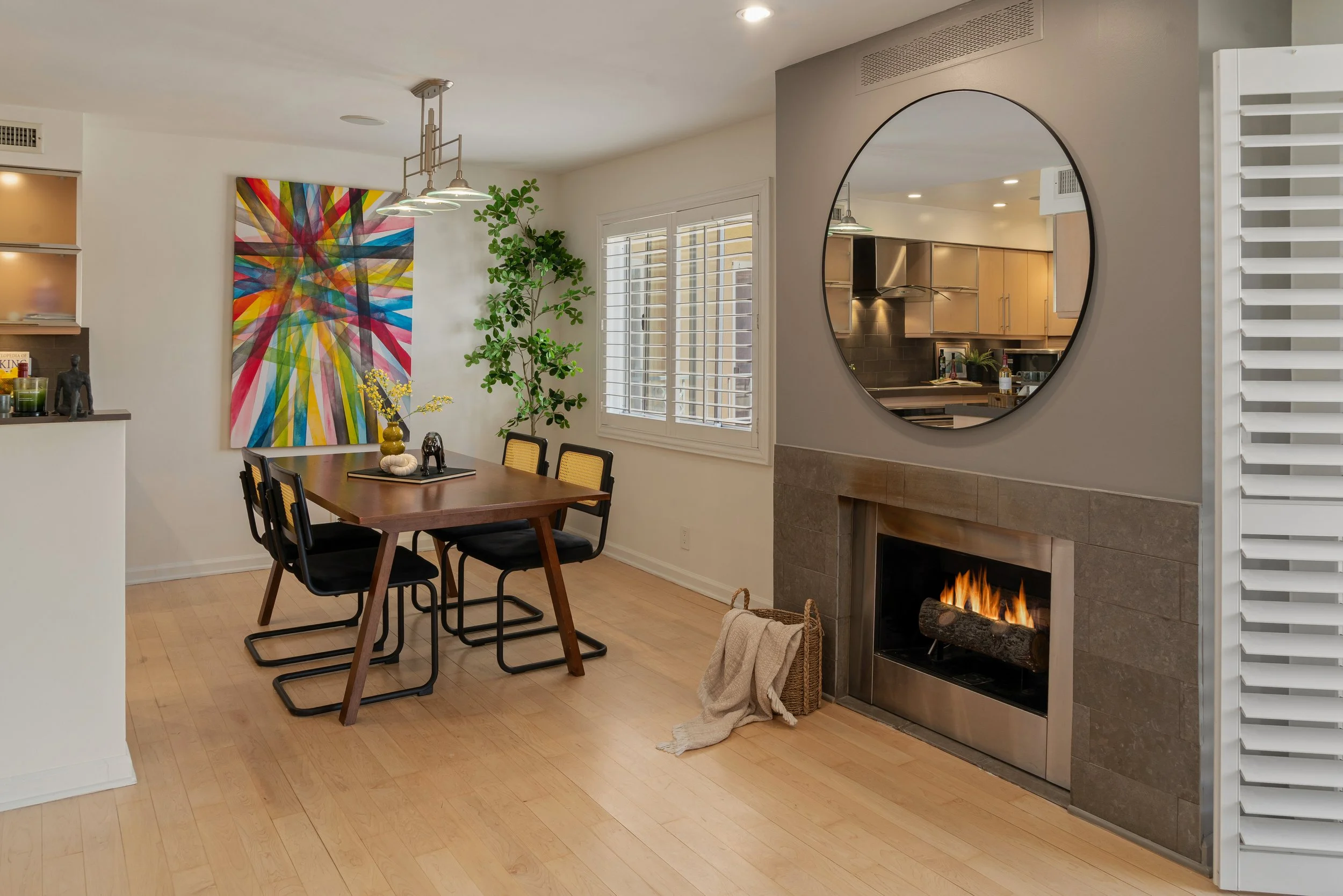
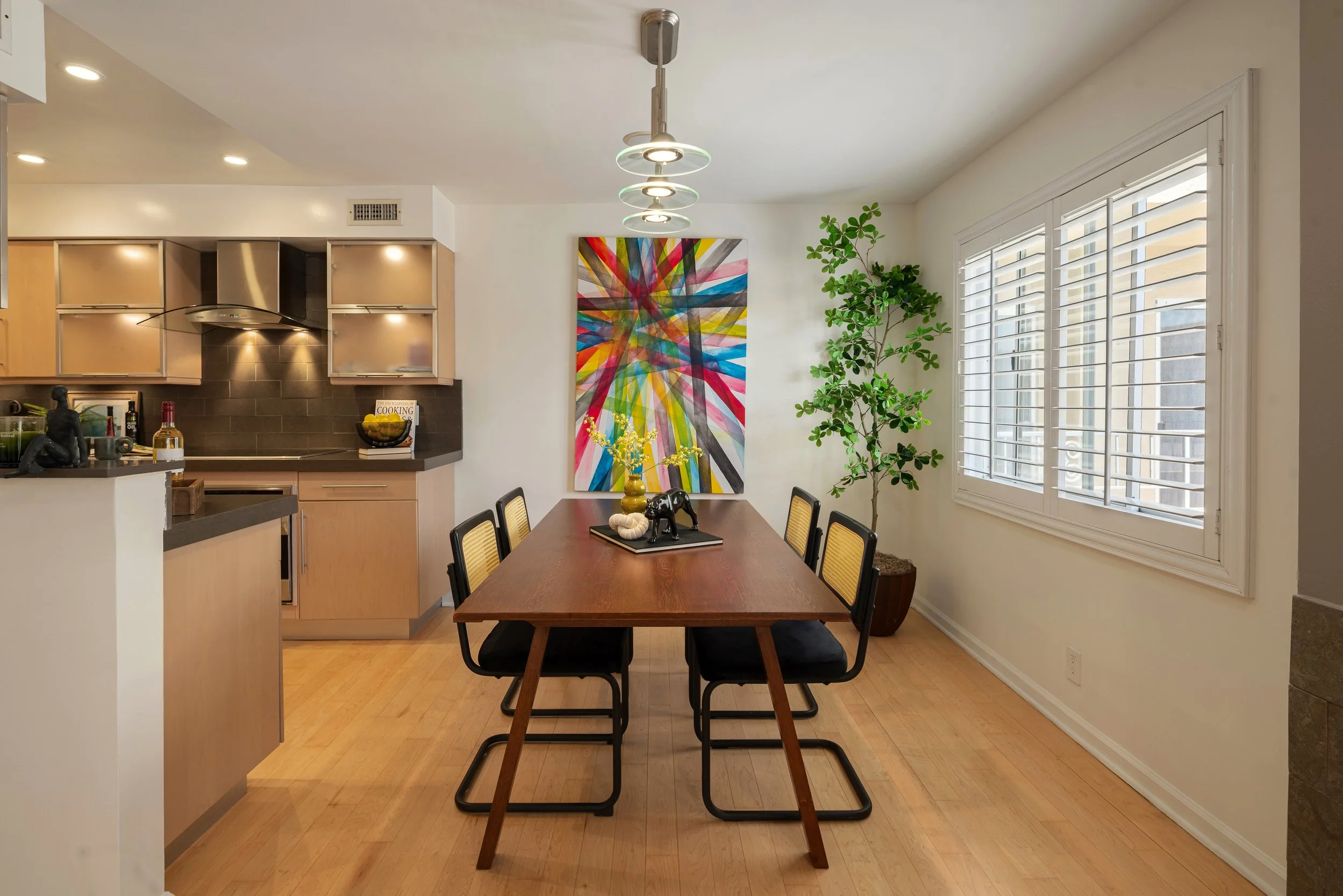
Updated entry and dining-room lighting
New cabinet hardware and a kitchen faucet
Updated bathroom mirrors and vanity lights
Fresh caulking, grout cleaning, and small repairs
Lighter window treatments to bring in more natural light
Edited furnishings and thoughtful staging
Professional photography and a polished marketing launch
Both condos may have the same square footage, building amenities, and parking situation. But the buyer experience is completely different.
At Condo A, buyers are estimating costs and debating what they can live with. At Condo B, they are picturing where they will put their favorite chair.
That is the magic of a thoughtful “before and after.” It reduces friction, creates emotion, and gives the listing a stronger chance to stand out.
Spend Smart, Not Sentimental
Before making improvements, remember this: you are not renovating for yourself. You are preparing the condo for the market.
That means the best choices are based on the likely buyer, the competing inventory, the property’s price range, and the resale ceiling in the building or neighborhood. A luxury renovation may be beautiful, but it is not always the move that produces the best return.
Ask these questions before opening the toolbox:
What do competing listings offer that this condo does not?
What will stand out? or stand in the way? in professional photos?
Which dated details will buyers notice within the first 30 seconds?
Are buyers at this price point looking for turnkey condition?
Is the proposed improvement likely to help the condo sell faster, stronger, or both?
Are there HOA rules, work-hour restrictions, or approval requirements to consider?
Would the budget be better spent on paint, repairs, staging, photography, or marketing?
Sometimes a full renovation is justified. Often, though, a focused combination of paint, lighting, hardware, repairs, and staging delivers a much more efficient result.
Don’t Out-Renovate the Building
Condo value is about more than the unit. Buyers also consider HOA dues, reserves, amenities, parking, building condition, pet policies, security, location, and the overall feel of the community.
That means there is a point where spending more inside the condo may not produce a matching increase in resale value. A spectacularly renovated unit can still run into a pricing ceiling based on the building and nearby comparable sales.
The goal is not to create the most expensive condo in the building. It is to create one of the most compelling options for its price.
The Bottom Line
A condo does not need a full gut renovation to make a memorable entrance. Often, the best resale transformation comes from a strategic edit: refresh the paint, improve the lighting, modernize a few key details, fix the little things, simplify the rooms, and let the home’s best features take center stage.
Buyers are looking for a place that feels easy to say yes to.
When a condo looks bright, polished, and ready for its next chapter, buyers spend less time calculating repairs and more time imagining themselves at home. And when that happens, your listing has already done some of its most important work.